

The Fascinating History and Significance of Spring Cleaning

Spring cleaning is a tradition many of us follow, often with mixed feelings. It can feel like a chore, but it also offers a chance to refresh our living spaces and minds. The practice has deep roots and meaningful reasons behind it that go beyond just tidying up. Understanding the history and significance of spring cleaning can change how we approach it, making it a more rewarding experience.
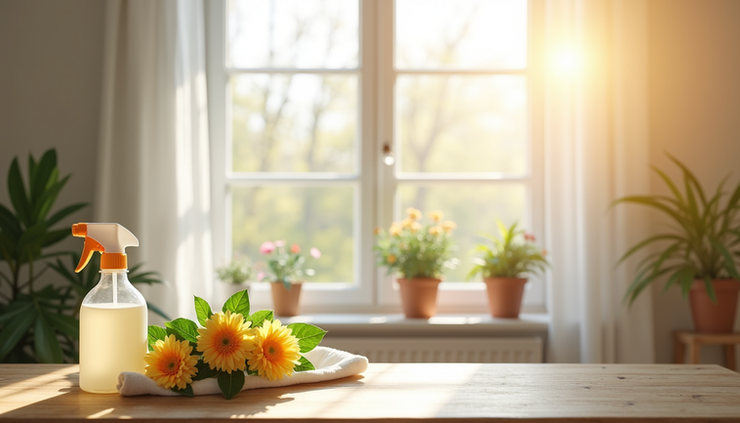
The Origins of Spring Cleaning
Spring cleaning is not a modern invention. Its origins trace back to ancient times and various cultures around the world. The common thread is the arrival of spring, a season symbolizing renewal and new beginnings.
Ancient Persia: The tradition of thorough cleaning before the Persian New Year, Nowruz, dates back over 3,000 years. Known as khaneh tekani, which means "shaking the house," families clean every corner of their homes to welcome the new year with purity and good fortune.
Jewish Tradition: Before Passover, Jewish families perform a deep cleaning called bedikat chametz to remove all leavened bread from their homes. This ritual symbolizes spiritual cleansing and preparation for a fresh start.
Christian Practices: In many Christian communities, spring cleaning was linked to preparing the home for Easter. The cleaning symbolized the resurrection and new life, aligning with the season’s themes.
Agricultural Societies: For farming communities, spring cleaning was practical. After harsh winters, homes and barns needed clearing of dust, soot, and dirt accumulated during cold months. This made way for planting and new growth.
These examples show that spring cleaning has long been a way to mark transitions, both physical and spiritual.
Why Spring Cleaning Matters Today
In modern times, spring cleaning often feels like a task squeezed between busy schedules. Yet, it holds several benefits that go beyond a tidy home.
Physical Health Benefits
Dust, mold, and allergens build up indoors, especially after winter when windows stay closed. Deep cleaning helps reduce these irritants, improving air quality and reducing allergy symptoms.
Vacuuming carpets and upholstery removes dust mites.
Washing curtains and bedding eliminates allergens.
Cleaning vents and air filters improves airflow.
Mental and Emotional Benefits
A cluttered space can lead to a cluttered mind. Spring cleaning offers a chance to reset mentally.
Organizing belongings can reduce stress and anxiety.
Decluttering creates a sense of control and accomplishment.
A clean, bright space can boost mood and energy.
Environmental Impact
Spring cleaning encourages mindful consumption and waste reduction.
Donating unused items supports community and reduces landfill waste.
Repairing instead of discarding promotes sustainability.
Using eco-friendly cleaning products reduces chemical exposure.
How Different Cultures Celebrate Spring Cleaning
Spring cleaning is a global practice with unique customs reflecting local values and climates.
Japan: Oosouji
In Japan, Oosouji means "big cleaning." It happens at the end of the year but shares the same spirit as spring cleaning. Families and businesses clean thoroughly to start the new year fresh. This includes scrubbing floors, washing windows, and clearing clutter.
India: Griha Pravesh
In India, spring cleaning often coincides with festivals like Diwali. Homes are cleaned and decorated to welcome prosperity and good luck. The act of cleaning is seen as removing negativity and inviting positive energy.
Iran: Khaneh Tekani
As mentioned earlier, this Persian tradition involves cleaning every part of the home before Nowruz. It is a communal activity, often involving family members working together, symbolizing unity and renewal.
Western Traditions
In many Western countries, spring cleaning is a seasonal routine. It often includes tasks like washing windows, cleaning carpets, and organizing closets. The arrival of warmer weather and longer daylight hours makes it easier to tackle these chores.
Practical Tips for Effective Spring Cleaning
Spring cleaning can feel overwhelming without a plan. Here are some practical steps to make it manageable and even enjoyable.
Create a Checklist
Break down tasks by room or category. For example:
Kitchen: Clean appliances, wipe cabinets, organize pantry.
Living Room: Dust surfaces, vacuum upholstery, declutter shelves.
Bedroom: Wash bedding, organize closets, clean under the bed.
Bathroom: Scrub tiles, clean grout, replace shower curtains.
Gather Supplies in Advance
Having the right tools ready saves time. Consider:
Microfiber cloths for dusting
Natural cleaning products like vinegar and baking soda
Vacuum cleaner with HEPA filter
Storage bins for sorting items
Declutter First
Before deep cleaning, remove items you no longer need. Sort into:
Keep
Donate
Recycle
Trash
This reduces clutter and makes cleaning easier.
Work Top to Bottom
Start cleaning from higher surfaces like shelves and work down to floors. This prevents dirt from falling on already cleaned areas.
Involve the Whole Household
Make spring cleaning a group effort. Assign tasks to family members or roommates. This speeds up the process and shares responsibility.
Take Breaks and Reward Yourself
Cleaning can be tiring. Schedule breaks and treat yourself after completing tasks to stay motivated.
The Psychological Impact of Cleaning Rituals
Cleaning is more than a physical act; it has psychological effects that help explain why spring cleaning feels satisfying.
Sense of Control: Tidying up gives a feeling of order in a chaotic world.
Mindfulness: Cleaning requires focus, which can be meditative and reduce negative thoughts.
Symbolic Renewal: Removing dirt and clutter symbolizes letting go of the past and welcoming change.
Studies show that people who clean regularly report better moods and less stress. Spring cleaning, as a focused ritual, amplifies these benefits.
How to Keep the Momentum After Spring Cleaning
The challenge is maintaining a clean and organized home after the big spring effort.
Develop daily habits like making the bed and washing dishes promptly.
Schedule weekly tidying sessions to prevent clutter buildup.
Use storage solutions to keep items organized.
Practice mindful buying to avoid unnecessary clutter.
These habits help keep your space fresh and reduce the need for overwhelming cleaning sessions.



Comments